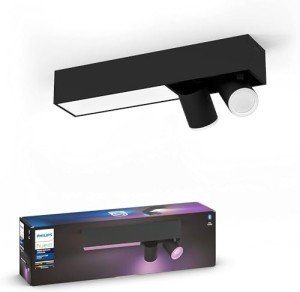
The Ultimate Guide to Buying LED Lights in the UK
Recently, LED lights have risen in appeal due to their energy performance, longevity, and adaptability. As the UK moves towards more sustainable energy practices, many house owners and companies are making the switch from traditional incandescent and fluorescent bulbs to LED lighting. This article aims to guide readers through the procedure of purchasing LED lights in the UK, highlighting key considerations, benefits, and frequently asked questions.
Understanding LED Lighting
What are LED lights?LED represent Light Emitting Diode. Unlike traditional bulbs, LED lights create light through a semiconductor. This technology is not only more energy-efficient however also produces less heat, lowering electricity expenses in the long run.
Advantages of LED Lights
Energy Efficiency
- LED lights consume to 80% less electrical energy than traditional incandescent bulbs.
- They convert almost all the energy they consume into light rather than heat.
Durability
- Typical life expectancy of LED lights is around 15,000 to 50,000 hours, considerably lasting longer than traditional bulbs.
Environmental Impact
- Minimized energy usage decreases carbon footprints.
- LEDs contain no damaging materials like mercury, making them eco-friendly.
Variety and Versatility
- Offered in various shapes, colors, and brightness levels appropriate for different applications.
Instant Lighting and Dimming Capabilities
- LEDs light up instantly and can be dimmed for specific lighting needs without flickering.
Secret Factors to Consider When Buying LED Lights
When looking for LED lights in the UK, it's necessary to think about numerous factors to guarantee you acquire the right product for your requirements.
1. Brightness Level
Brightness in LED lights is determined in lumens. Greater lumens show brighter lighting. Here's a fast referral:
| Wattage (Traditional Bulb) | Lumens (LED Equivalent) |
|---|---|
| 40W | 450 |
| 60W | 800 |
| 100W | 1600 |
2. Color Temperature
LEDs come in various color temperature levels, determined in Kelvin (K). Here's a breakdown of color temperature levels:
- Warm White (2700K - 3000K): Ideal for homes, develops a relaxing atmosphere.
- Cool White (4000K - 4500K): Suitable for offices, offering a tidy, brilliant light.
- Daytime (5000K - 6500K): Mimics natural daylight, ideal for outdoor usage or specific task lighting.
3. Dimmability
Not all LED lights are dimmable. If Buy Kitchen Lighting UK want the flexibility to change brightness levels, make sure that the LEDs you pick are compatible with dimmer switches.
4. Fixture Compatibility
Think about the type of fixtures in which you'll be putting the LEDs. Typical fitting types in the UK include:
- BAYONET (B22): Commonly used in households.
- Edison Screw (E27, E14): Popular for both decorative and general lighting.
- GU10: Often used for spotlights and recessed lighting.
5. Energy Rating
Check the energy ranking of the LED light. Many LED bulbs will be appreciated (A+ or higher) for energy efficiency.
6. Life expectancy & & Warranty Buying quality LED lights typically comes with service warranties ranging from 1 to 5 years. A longer guarantee might indicate a more long lasting item.
Where to Buy LED Lights in the UK
LED lights are extensively offered throughout numerous platforms, consisting of:
Physical Stores:
- DIY and home improvement shops like B&Q, Homebase, and Wickes.
- Grocery stores such as Tesco and Sainsbury's.
Online Retailers:
- E-commerce giants like Amazon and eBay.
- Specialized lighting websites like LED Hut or Lights4Fun.
Regional Electrical Suppliers:
- Independent electrical supply shops typically supply professional guidance.
Recommended Brands
When purchasing LED lights, consider respectable brand names understood for their quality and innovation, such as:
- Philips
- Osram
- Sylvania
- GE Lighting
- IKEA
Regularly Asked Questions (FAQs)
1. Are LED lights really worth the investment?Definitely. While LED lights might have a greater upfront cost compared to traditional bulbs, their energy effectiveness and long life-span indicate they will save you cash on energy bills in time.
2. Can I utilize LED lights in my existing fixtures?Yes, as long as you select bulbs suitable with your fixtures (BAYONET, Edison Screw, GU10, etc), you can easily change traditional bulbs with LEDs.
3. Why are some LED bulbs more expensive than others?Price differences can be credited to brand name reputation, technology (such as smart features), energy efficiency ratings, and service warranty durations.
4. Do LED lights produce hazardous radiation?No, LED lights do not emit ultraviolet or infrared radiation and are thought about safe for home usage.
5. Can I recycle LED bulbs?Yes, many regional councils have recycling programs for LED bulbs. Examine local guidelines for disposal directions.
Purchasing LED lights in the UK is a smart choice for those looking to conserve energy, minimize expenses, and improve their lighting solutions. By considering elements such as brightness, color temperature, fixture compatibility, and reliable brand names, purchasers can confidently make informed decisions. Accepting LED technology is not only beneficial for private households and businesses, but it likewise contributes to a more sustainable future for the environment. Whether you head to a local store or browse online, the shift to LED lighting is a step towards a brighter, cleaner world.